









Ziraat Fakültesi, Tarımsal Öğretimin Başlamasının 180. Yılını ve Tarım Bayramını kutladı
 DİNLE
DİNLE

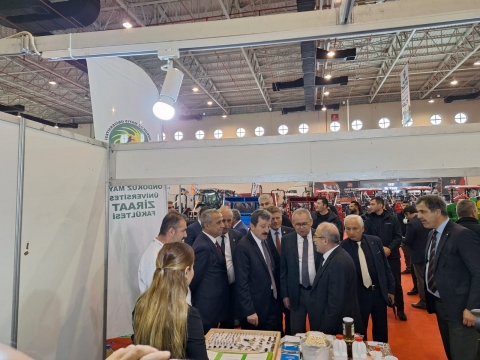
Tarımsal üretimin stratejik öneminin her geçen gün daha da arttığı günümüzde Ondokuz Mayıs Üniversitesi (OMÜ) Ziraat Fakültesi tarafından “Tarımsal Öğretimin Başlamasının 180. Yılı ve Tarım Bayramı Kutlama Töreni” gerçekleştirildi.
Atatürk Kongre Merkezi’nde düzenlenen etkinliğe; Rektör Yardımcısı Prof. Dr. Çetin Kurnaz, Ziraat Fakültesi Dekanı Prof. Dr. Muharrem Özcan, Veteriner Fakültesi Dekanı Prof. Dr. Mehmet Tütüncü, Samsun İl Tarım ve Orman Müdürü Kemal Yılmaz, Türk Ziraat Yüksek Mühendisleri Birliği Samsun Şube Başkanı Prof. Dr. Ferhat Uzun, Ziraat Mühendisleri Odası Samsun Şube Başkanı Havva Yurdunuseven Bayzat, akademisyenler ve öğrenciler katıldı.
Rektör Yardımcısı Kurnaz “Türkiye, sahip olduğu topraklar ve üretim gücüyle tarımda önemli bir noktadadır”
Programın açılışında konuşan Rektör Yardımcısı Prof. Dr. Çetin Kurnaz, “Ben bir mühendis olarak meslek hayatımı çoğunlukla teknik alanlarda sürdürmüş olsam da tarımla iç içe büyümüş biriyim. Çocukluğumdan itibaren toprağın ne kadar kıymetli olduğunu, üretmenin ne kadar emek istediğini ve tarımın aslında sadece bir ekonomik faaliyet değil, aynı zamanda stratejik bir güç olduğunu yaşayarak öğrendim. Bugün burada tarım ve gıda üzerine konuşurken, bu kişisel tecrübelerimin bana kazandırdığı bakış açısını da paylaşmak isterim. Türkiye, sahip olduğu topraklar ve üretim gücüyle tarımda önemli bir noktadadır. Son yıllarda teknoloji ve bilimle birlikte tarım alanında ciddi gelişmeler yaşanmaktadır. Doğru adımlar atıldığında ülkemizin tarımda çok daha ileriye gideceğine inanıyorum. Bu programın düzenlenmesinde emeği geçen herkese ve katılım sağlayan siz değerli misafirlere teşekkür ediyor, hepinizi saygıyla selamlıyorum.” diye konuştu.
Dekan Özcan “İnsan yaşamındaki en önemli stratejik kaynaklardan birini tarım ve gıda oluşturmaktadır”
Ziraat Fakültesinin tarihî kuruluşundan bahsederek sözlerine başlayan Dekan Prof. Dr. Muharrem Özcan, “İnsan yaşamındaki en önemli stratejik kaynaklardan birini, hatta en önemlisini tarım ve gıda oluşturmaktadır. 8,3 milyara ulaşan dünya nüfusunda, 2,7 milyar insan aşırı kilo ve obeziteye bağlı sağlık sorunları yaşarken, 900 milyon insan yetersiz beslenme ve açlık sorunları yaşamaktadır. Maalesef her gün yaklaşık 18 bin kişi açlık nedeniyle hayatını kaybetmektedir.” ifadelerini kullandı.
“İsraf ve gıda dağılımındaki adaletsizlikler gıda yetersizliği algısını oluşturuyor”
Ziraat Fakültesi Dekanı Prof. Dr. Muharrem Özcan, konuşmasına şu şekilde devam etti:
“Son 60 yılda dünya nüfusu yüzde 150 oranında artmasına karşın, tarım ürünlerinde üretim artışı nüfus artışının 2–3 katı daha fazla olacak şekilde gerçekleşmiştir. Son 20 yıla baktığımızda ise dünya nüfus artış oranı yüzde 25 iken, dünya tarımsal üretimi yüzde 54 artarak 9,8 milyar tona ulaşmıştır. Tarım ve gıda üretimine ait veriler, nüfus artış oranlarıyla birlikte değerlendirildiğinde; dünya genelinde yaşanan birçok olumsuzluğa rağmen gıda üretimi ve arzında yetersizliklerin olmadığı, ancak üretim kayıplarının, hasat aşamasıyla birlikte başlayan kayıpların, israfın ve gıda dağılımındaki adaletsizliklerin gıda yetersizliği algısının oluşmasına yol açtığı görülmektedir.”
“Birçok ülkede zengin kaynaklara rağmen insanların açlık ve sefalete mahkûm ediliyor”
Prof. Dr. Özcan, günümüz dünyasında yaşanan gelişmelere de dikkat çekerek, son yıllarda bölgesel ve küresel ölçekte yaşanan süreçlerin, dünyanın artık eskisi gibi olamayacağını; bu etkileşimle tarımın ve gıdanın bir güç dengesi konumuna geldiğini vurguladı. Güçlünün, evrensel hukuk yerine kendi çıkar hukukunu uyguladığı; birçok ülkede zengin kaynaklara rağmen insanların açlık ve sefalete mahkûm edildiği günümüz dünyasında, güçlü olmanın ve sorunları göz ardı etmemenin öneminin daha da arttığını belirten Özcan, herkesin günümüz ve geleceğimiz için bu duyarlılığa sahip olması gerektiğini ifade etti.
“Ziraat mühendisliğinin önemi arttı”
Konuşmasında tarımsal eğitim ve insan kaynağının önemine de değinen Prof. Dr. Muharrem Özcan, günümüzde çiftçiyi bilgi ve teknolojiyle buluşturacak ziraat mühendislerine ve bu sektöre katkı sunan tüm paydaşlara giderek daha çok ihtiyaç duyulduğunu belirtti. Bu durumun, tarımsal eğitim ve öğretimle birlikte ziraat mühendisliğinin önemini artırdığını vurgulayan Özcan, bu alana katkı sunacak elemanların yetiştirilmesinin büyük önem taşıdığını ve bunun ancak nitelikli bir tarımsal eğitim-öğretimle sağlanabileceğini dile getirdi.
Son olarak dünyadaki teknolojik gelişmelerin fakültelerinin lisans ve lisansüstü programlarına ders veya konu olarak eklendiğini belirten Prof. Dr. Özcan, bu sayede mezun yeterliliklerinin çağın gerekliliklerine göre yükseltildiğini ifade etti.
Prof. Dr. Uzun “Yurt dışındaki köklü geçmişe sahip tohum firmalarını yakalamış durumdayız”
Ardından konuşmasını gerçekleştiren Türk Ziraat Yüksek Mühendisleri Birliği Samsun Şube Başkanı Prof. Dr. Ferhat Uzun ise “Türk Ziraat Yüksek Mühendisleri Birliği’nin süreli yayınında yer alan bir makalede, Türkiye’nin tarımsal veriminin Amerika’nın iç bölgelerindeki verimle benzer olduğu bilgisine rastladım. Bu bilgi bende adeta bir ışık yaktı. Daha sonra yurt dışında bu konuları araştırma fırsatımız oldu ve gördük ki yurt dışında ulaşılan tonajlara bizim ülkemizde de ulaşmak mümkünmüş. Bu durum, açıkçası özgüvenimizi oldukça artırdı. Daha sonra tohumculuk alanında çalışan bir hocamın, ‘Bu alanda istihdam artabilir, bu alana yönelebilirsiniz’ önerisiyle tohumculuk sektörüne yöneldim. Yıllar içinde sektörün, özellikle özel sektör öncülüğünde, gözlerimizin önünde büyük bir gelişme kaydettiğine tanıklık ettik. Türkiye’nin tohumculuk geçmişi yaklaşık 30–40 yıllık bir sürece dayanıyor. Ancak bugün gelinen noktada, yurt dışındaki köklü geçmişe sahip tohum firmalarını yakalamış durumdayız. Yüzlerce tohum çeşidine sahibiz ve bu alanda çok ciddi bir yol kat etmiş bulunuyoruz.” şeklinde konuştu.
Açılış konuşmalarının ardından Tarım ve Orman Bakanlığı Gıda ve Kontrol Genel Müdürü Dr. Ersin Dilber bir sunum gerçekleştirdi. Dr. Ersin Dilber, yaptığı sunumda bakanlığın tarım alanında yürüttüğü uygulama ve projeleri katılımcılarla paylaştı.
Dr. Ersin Dilber “Çoğu ülkeden daha iyi şartlarda bir gıda denetim sistemine sahibiz”
Dilber, Türkiye'de yaklaşık 730 bin gıda işletmesinin risk esaslı denetim sistemiyle kontrol edildiğini ifade etti. Her işletmenin bir risk puanı bulunduğunu belirten Dilber, "Her işletmenin bir risk puanı vardır ve bu risk puanına göre bazı işletmeler yılda beş kere denetlenirken bazı işletmelere hiç gitmesek dahi olabilir. Ancak Türkiye'de 730 bin işletme var ve biz bu işletmeleri risk bazlı denetimle denetliyoruz. Örneği somutlaştırmam gerekirse, bir kasap reyonu olan marketle sıradan bir bakkal benim için aynı değildir. Kasap reyonu olan markete 5 kere gidersem, bakkala bazen hiç uğramama dahi gerek olmayabiliyor. Çünkü işletmenin karakteri geri, sahibi titiz oluyor, senden benden daha dikkatli oluyor. Dolayısıyla bu bizim risk esaslı denetimimizin temelini oluşturuyor. Denetim rakamlarını geçiyorum ama somutlaştırmak adına söylüyorum. 81 il, 922 ilçede 8 binin üzerindeki denetçimizle biz sizlere güvenilir gıdalar sunmak için dünyadaki çoğu ülkeden daha iyi şartlarda bir gıda denetim sistemine sahibiz. Riskin oluştuğu dönemlerde sektörel denetimler yapıyoruz.” dedi.
Daha sonra öğretim üyeleri ve öğrencilerden oluşan Başak Korosu, türküler seslendirdi. Akademik aşama kaydeden doktor öğretim üyelerine "Biniş Takdim Töreni"yle program son buldu.
-
 999
999 -
 556
556 -
 1,223
1,223 -
 1,050
1,050