








OMÜ'de görme engelliler için "Yapay Zeka Görme Engelli Asistanı" hizmete girdi
 DİNLE
DİNLE

Ondokuz Mayıs Üniversitesi (OMÜ), görme engelli bireylerin kampüsteki binalarda kimseye ihtiyaç duymadan hareket edebilmesini sağlamak için geliştirilen "Yapay Zeka Görme Engelli Asistanı Projesi"ni "Beyaz Baston Görme Engelliler Haftası"nda uygulamaya başladı.
OMÜ Sağlık Bilimleri Fakültesi'nde düzenlenen tanıtım töreninde, proje hakkında bilgi verildi.
Programa; Rektör Prof. Dr. Fatma Aydın, Rektör Yardımcıları Prof. Dr. Alper Kesten, Prof. Dr. Ayşe Pınar Sumer, Genel Sekreter Prof. Dr. Erhan Burak Pancar, Sağlık Bilimleri Fakültesi Dekanı Prof. Dr. Esra Pancar Yüksel, Eczacılık Fakültesi Dekanı Prof. Dr. Yavuz Kürşad Daş, Rektör Danışmanı Prof. Dr. Serkan Şen, Samsun Meslek Yüksekokulu Müdürü Prof. Dr. Kaya Tuncer Çağlayan, Sağlık Hizmetleri Meslek Yüksekokulu Müdürü Dr. Öğr. Üyesi Faruk Tan, Bilgi İşlem Daire Başkanı Doç. Dr. İsmail İşeri, Engelli Öğrenci Birimi Akademik Koordinatörü Doç. Dr. Meryem Vural Batık, akademisyenler ile engelli bireyler ve öğrenciler katıldı.
OMÜ Bilgi İşlem Daire Başkanı Doç. Dr. İsmail İşeri koordinatörlüğünde yürütülen projede kullanıcılar, bina girişlerindeki ve içindeki QR kodları cep telefonlarıyla okutarak sisteme giriş yapabiliyor. Konumlarını tanımladıktan sonra gitmek istedikleri yeri sesli olarak belirten görme engelliler, yapay zekanın rehberliğiyle hedeflerine güvenle ulaşıyor. "Yapay Zeka Görme Engelli Asistanı Projesi"nin testi, Sağlık Bilimleri Fakültesi, Sağlık Hizmetleri Meslek Yüksekokulu, Çarşamba Ticaret Borsası Meslek Yüksekokulu ve Terme Meslek Yüksekokulu'nda başarıyla tamamlandı. Proje, ikinci aşamada kapsamı genişletilerek eğitim, mühendislik, ilahiyat ve spor bilimleri fakülteleri ile Merkez Kütüphane, Uzaktan Eğitim Merkezi ve OMÜ Yaşam Merkezi gibi yoğun kullanılan alanlarda da hizmete sunulacak. Ayrıca, sistemin binaları ziyaret eden tüm bireylere genel konum desteği sağlaması amaçlanıyor.
Rektör Prof. Dr. Fatma Aydın “Üniversitemizin 18 farklı birimi, Yükseköğretim Kurulu tarafından ödüllendirildi”
Tanıtım programında Rektör Prof. Dr. Fatma Aydın, engelli bireylerin yaşama tutunma azim ve kararlılıklarının herkes için ilham kaynağı olduğunu söyleyerek şu ifadeleri kullandı:
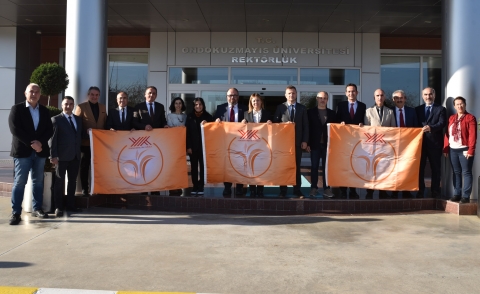
“Engelsiz Üniversite hedefi doğrultusunda; engelli öğrencilerimizin ve personelimizin yalnızca eğitim-öğretim süreçlerinden değil, bilimsel, kültürel ve sosyal faaliyetlerden de etkin biçimde yararlanabilmeleri için çalışmalarımızı kararlılıkla sürdürüyoruz. Üniversitemizin 18 farklı birimi, Yükseköğretim Kurulu tarafından “Mekânda Erişilebilirlik - Turuncu Bayrak” ile ödüllendirilmiştir. Ayrıca 9 birimimiz bu ödül için aday gösterilmiştir. Geçtiğimiz hafta ise Kurupelit Kampüsümüz ilk kez Sosyo-Kültürel Faaliyetlerde Erişilebilirlik Ödülü olan “Mavi Bayrak” ile onurlandırılmıştır. Eğitim Fakültemiz de bu ödül için 2026 yılı başvuru sürecine dâhil olmuştur. Bununla birlikte “Engelsiz Üniversite Program Nişanı” için de planlama ve hazırlıklarımız devam etmektedir. Nihai amacımız; “Yüzde Yüz Engelsiz Üniversite” vizyonu çerçevesinde, üniversitemize ait tüm birimlerde erişilebilirlik standartlarını daha da yükseltmektir.”
“Hedefimiz, bu uygulamayı üniversitemizin tüm birimlerinde yaygınlaştırmak”
Tanıtımı gerçekleştirilen projenin benimsedikleri vizyonun somut ve yenilikçi bir yansıması olduğunu belirten Rektör Aydın, “Görme engelli öğrencilerimiz aracılığıyla test edilen bu sistem, yalnızca görme engelli bireylerle sınırlı kalmayıp, kampüslerimizi kullanan herkes için kapsayıcı ve erişilebilir bir yön bulma çözümü sunmaktadır. Hedefimiz, bu uygulamayı üniversitemizin tüm birimlerinde yaygınlaştırarak dijital erişilebilirliği kurumsal bir niteliğe kavuşturmaktır. Bu önemli adımın hayata geçirilmesine katkı sunan herkese teşekkür ediyorum.” diye konuştu.
“Engelli bireylerin hayatını kolaylaştırmaya yönelik çabalarımızı kararlılıkla sürdürüyoruz”
Rektör Aydın, “OMÜ olarak, “Engelsiz Üniversite” odağında; engelli bireylerin hayatını kolaylaştırmaya, dezavantajlarını en aza indirmeye yönelik çabalarımızı kararlılıkla sürdürüyoruz. Bu kapsamda idari personelimize yönelik “Kapsayıcı Üniversite Yaşamı” eğitimlerimiz, hak temelli yaklaşımı esas alan içerikleriyle devam etmektedir. Engelli Öğrenci Birimimiz bünyesinde sunulan psikolojik danışmanlık hizmetleri, kariyer destek eğitimleri ve sosyal uyum çalışmaları, öğrencilerimizin üniversite yaşamına tam katılımını güçlendirmektedir.” dedi.
“Engelli bireylerimizin sosyal hayatta daha aktif roller üstlenmelerini sağlamak istiyoruz”
Rektör Prof. Dr. Fatma Aydın konuşmasını şöyle tamamladı: “Spor, film ve kitap etkinlikleri; Engelliler Haftası programları, Kalpten Kalbe Farkındalık faaliyetleri ve UyumFest çalışmalarıyla empatiyi, dayanışmayı ve birlikte üretme kültürünü kampüslerimizin doğal iklimi hâline getirmeye gayret ediyoruz. Engelsiz Kampüs hedefimiz doğrultusunda akülü araç şarj istasyonları ve güncel fiziki iyileştirmeleri de aşamalı olarak hayata geçiriyoruz. Tüm bu adımları yalnızca bir görev olarak değil; bir gönül seferberliği anlayışıyla atıyoruz. Engelli bireylerimizin sosyal hayatta huzur ve refah içinde daha aktif roller üstlenmelerini sağlamak için gösterdiğimiz bu çaba, bugüne kadar olduğu gibi bundan sonra da artarak devam edecektir. Hayata geçirilen bu çalışmanın, engelli bireylerin yaşam koşullarını iyileştirecek yeni ve değerli adımlara ilham olmasını temenni ediyorum.”
Doç. Dr. İşeri “Engellilerin yanı sıra üniversitemizi ziyarete gelenler de uygulamayı rahatlıkla kullanabilirler”
Dijitalleşme ve yapay zekâ amacı doğrultusunda hayata geçirilen Yapay Zekâ Destekli Görme Engelli Asistanı projesine ilişkin değerlendirmede bulunan Bilgi İşlem Daire Başkanı Doç. Dr. İsmail İşeri ise projenin ortaya çıkış süreci ve uygulama aşamaları hakkında bilgi verdi.
Doç. Dr. İşeri, “Yaklaşık 5-6 ay önce ortaya çıkan bir fikirle bu projeyi hayata geçirdik. Rektör hocamızın tam desteğiyle, dijitalleşme ve yapay zekâ alanlarında farklı projeleri hayata geçirmeye devam ediyoruz. Projemizin yaklaşık 3-4 aylık bir geliştirme süreci oldu. Terme MYO, Çarşamba Ticaret Borsası MYO, Sağlık Hizmetleri MYO ve Sağlık Bilimleri Fakültesinde pilot uygulamaları başlattık. Bu süreçte aldığımız geri bildirimler doğrultusunda gerekli iyileştirmeleri gerçekleştirdik.” dedi.
Projenin yaygınlaştırılmasına yönelik çalışmalara da değinen İşeri, “Rektör hocamızın tavsiyeleriyle, uygulamanın üniversite genelinde kullanıma sunulmasına yönelik bir karar alındı. Diğer fakültelerimizle de görüşmelerimizi sürdürüyoruz. Ürünün nasıl kullanılacağına dair altyapı hazırlıklarını titizlikle yürütüyoruz. Binaların giriş kapılarına yerleştirdiğimiz QR kodlar sayesinde, kullanıcılar telefon kameralarıyla bu kodu okutarak uygulamayı kolaylıkla devreye alabiliyor ve kullanmaya başlayabiliyor. Özellikle karmaşık bina yapılarında, sadece öğrencilerimizin değil üniversitemizi ziyaret eden ve çevre illerden gelen vatandaşların da rahatlıkla kullanabileceği bir ürün ortaya koymayı hedefledik.” ifadelerini kullandı.
Doç. Dr. Batık “Uygulama, engelli bireylerin üniversite yaşamına aktif katılımı destekliyor”
Engelli Öğrenci Birimi Akademik Koordinatörü Doç. Dr. Meryem Vural Batık ise “Görme engelli bireylerin bina içi yer yön bulma süreçlerini desteklemeyi amaçlayan yapay zekâ asistanının tanıtımı için bir araya geldiğimiz bu buluşma, yalnızca bir teknolojik ürünün tanıtımı değil; aynı zamanda kapsayıcı bir üniversite vizyonunun somut bir göstergesidir. Görme engelli bireyler için bina içi izli yollar yerine alternatif uygulamalara duyulan ihtiyaç, üniversitemiz Bilgi İşlem Daire Başkanlığı tarafından geliştirilen Yapay Zekâ Asistanının hayata geçmesine imkan vermiştir. Bu süreçte Engelli Öğrenci Birimi olarak yön tarifi senaryolarının sesli betimleme ilkelerine ve evrensel tasarım ilkelerine uygun olarak hazırlanmasında destek vermekteyiz.” dedi.
Erişilebilirliğin yalnızca belirli bir gruba yönelik olarak görülmemesi gerektiğini belirten Batık, “Engelli Öğrenci Birimi olarak bizler erişilebilirliği yalnızca “bir gruba yönelik düzenleme” olarak değil; evrensel tasarım anlayışıyla, herkes için daha işlevsel, daha güvenli ve daha adil bir öğrenme ve yaşam ortamı oluşturmanın temel ilkesi olarak ele alıyoruz. Yapay Zekâ Asistanı da tam olarak bu anlayışın bir ürünüdür. Bu uygulama, bireyin bağımsızlığını artıran, güven duygusunu güçlendiren ve üniversite yaşamına aktif katılımı destekleyen çok kıymetli bir adımdır.” şeklinde konuştu.
Program, Rektör Prof. Dr. Fatma Aydın’ın projenin gerçekleştirilmesinde emekleri olan Doç. Dr. İsmail İşeri, Doç. Dr. Meryem Vural Batık ile engelli bireylere teşekkür belgesi takdimiyle sona erdi.
-
 765
765 -
 1,031
1,031 -
 326
326 -
 409
409