








Protect Pets from Heat, Hot Pavement, and Foxtail Grass, OMU Expert Advises
 LISTEN

Hot Pavement Burns Paws, Foxtail Grass Poses Serious Risks
As temperatures and humidity continue to rise in Samsun, experts are warning that the summer heat poses significant risks not only to people but also to animals. Prof. Dr. Serhan Serhat Ay, Chief Veterinarian of the Animal Hospital at the Faculty of Veterinary Medicine of Ondokuz Mayıs University (OMU), cautioned that hot pavement can cause burns to animals' paws, insufficient water intake may lead to heatstroke, and foxtail grass can result in serious health problems.
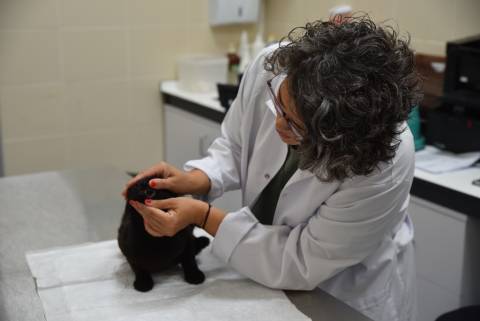
Serving as the only public veterinary teaching hospital in the Black Sea Region, the OMU Faculty of Veterinary Medicine Animal Hospital continues to provide specialized care for companion and farm animals. Prof. Dr. Ay shared important recommendations on protecting animals during the summer months.
Summer Brings Seasonal Health Risks
Prof. Dr. Ay noted that reproductive issues in cats remain common throughout the summer as a continuation of the spring breeding season.
"Cases related to feline reproduction continue into the summer months. We frequently encounter difficult births. We also treat animals injured in falls from heights, nighttime accidents, and traffic collisions. In addition, Feline Infectious Peritonitis (FIP) is among the diseases we commonly diagnose."
"Heat and Humidity Intensify the Risk"
Emphasizing that Samsun's high humidity makes hot weather even more dangerous, Dr. Ay explained:
"Temperatures have increased, and Samsun is a particularly humid region. Humidity significantly intensifies the effects of heat. Pet owners should therefore take extra care of their cats and dogs. Asphalt surfaces become extremely hot and can burn animals' paw pads. In addition, walls continue releasing the heat they absorb during the day throughout the night, increasing heat stress and the risk of heatstroke."
Adequate Water Intake Is Essential
Dr. Ay stressed that providing animals with sufficient drinking water is vital during hot weather.
"Ensuring that animals have constant access to plenty of clean drinking water is extremely important. Fresh, cool water should always be available. Just like humans, cats, dogs, cattle, and horses all have a high demand for water, and this need increases even further when heat and humidity combine."
He also advised owners to keep animals in cool, shaded areas rather than in drafty locations and recommended walking cats and dogs outdoors only during the cooler evening hours.
"Foxtail Grass Can Cause Serious Health Problems"
Dr. Ay also warned pet owners to be cautious of foxtail grass, which becomes widespread during the summer months.
"These grass awns can enter through animals' eyes, ears, paws, and other parts of the body. Once inside, they continue to migrate through tissues and may cause serious medical complications. Whenever possible, pets should be kept away from areas where foxtail grass is abundant. If they are walked in such areas, they should be carefully checked afterward."
Stray Animals Also Need Protection
Dr. Ay emphasized that stray animals are equally vulnerable to extreme heat.
"The fact that stray animals live outdoors and have adapted to street life does not mean they are protected from extreme temperatures. Heat affects stray animals just as it affects pets. Providing cool drinking water and food in suitable locations can make a significant difference for their well-being."
14,000 Animal Patients Treated in the First Half of 2026
The OMU Faculty of Veterinary Medicine Animal Hospital, the first veterinary teaching hospital established in the Black Sea Region and the region's only veterinary faculty hospital, continues to provide care for approximately 30,000 animal patients annually.
During the first six months of 2026, the hospital treated approximately 14,000 animals. Around 80 percent of the patients were companion animals, including cats, dogs, and birds, while the remaining cases involved cattle, sheep, goats, and horses.
-
 658
658 -
 463
463 -
 924
924 -
 1,184
1,184